How Does a Dentist Know When a Bone Graft Is Necessary?
Your dentist may recommend a bone graft to restore the appearance of the jaw or to help ensure the successful placement of dental implants. Not all dental implant patients require a bone graft, but it may be necessary if a patient has experienced bone atrophy in the jaw or lost bone due to periodontal disease.
Bone graft procedure: when is it necessary?
A dental bone graft is a common procedure performed as a part of dental implants. In many cases, it is necessary to ensure the dental implants fuse properly with the jawbone for the secure hold of the dental restoration (crown, bridge, or complete denture). The following is a closer look at the purpose of a bone graft and when it is recommended.
What is a dental bone graft?
A dental bone graft is a minor surgical procedure that restores the jawbone density after bone loss occurs due to periodontal disease or atrophy following the loss of teeth. This procedure involves taking bone from another part of the body (autogenous) or from a human tissue bank (allograft). This procedure is most commonly performed in preparation for dental implant placement following the loss of teeth.
A bone graft before dental implant placement
As mentioned, a bone graft is most commonly recommended before the placement of dental implants. This is important as it helps ensure the implants are adequately supported. Otherwise, there is a higher risk of implant failure, which complicates the treatment process.
How a dentist determines if a bone graft is necessary
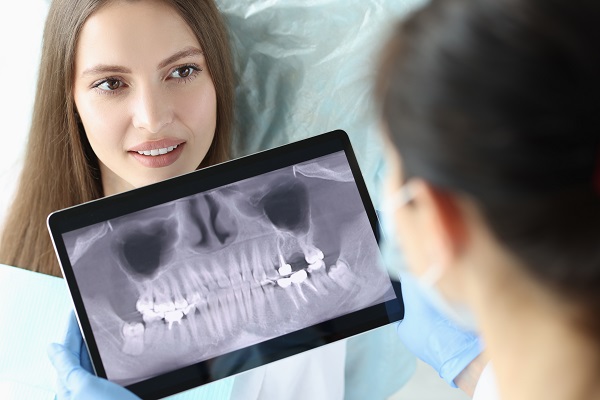
To determine if a bone graft is necessary, dentists conduct an oral examination and order dental X-rays, which provide a clear idea of the density of the jawbone and reveal if there has been any loss of bone inside of the jaw. If the dentist determines that the loss of bone causes an oral health or cosmetic concern or complicates the implant process, then a bone graft may be recommended.
What to expect after a bone graft procedure
Patients typically heal within a few months after a bone graft procedure, and any discomfort they experience should go away within a few days. A check-up visit is typically to help ensure there are no underlying complications that need to be addressed.
If the patient is receiving a bone graft in preparation for dental implant placement, then it can be around four months until the jawbone is ready for the implants. Once the jawbone has fully healed, then the placement of the implants can be scheduled. After the implants are placed, it can take time for osseointegration to take place. Afterward, the restoration is placed.
Bone graft FAQs from a licensed dentist
Below are three common questions that general dentists receive about the bone graft procedure.
What happens if a patient elects not to have a bone graft?
This depends on why the dentist recommended a bone graft procedure in the first place. For instance, a bone graft may be deemed necessary before the placement of dental implants. Otherwise, the patient may not be eligible for implants and would have to choose an alternative teeth replacement strategy. In other cases, such as if a bone graft is necessary to treat severe periodontitis, then the patient may be at greater risk of additional loss of teeth.
What can you not do after a bone graft procedure?
There are certain restrictions patients must adhere to during recovery. The dentist can explain post-care instructions in detail. This may include keeping a consistent oral care routine without aggravating the affected area. It may also be recommended for the patient to take pain-relief medication (over-the-counter) and ice the affected area to minimize swelling and overall discomfort. Patients typically are required to take several days off of work and strenuous activities as well.
How long does it take to fully heal after a bone graft procedure?
The healing time varies from several weeks to more than two months. On average, patients return back to their normal daily routine within the first few weeks. However, it can take more than three months for the jawbone to fully heal.
Find out if a bone graft procedure is right for you
If you believe you have experienced bone loss in the jaw and want to find out if a bone graft is right for you, call our team today and schedule a visit. Whether you simply want to achieve a jaw that looks full or are considering dental implants, our team can help you make informed decisions.
Request an appointment here: https://www.johnscreekteeth.com or call Johns Creek Dentistry at (770) 623-1427 for an appointment in our Johns Creek office.
Check out what others are saying about our dental services on Yelp: Bone Graft in Johns Creek, GA.
Recent Posts
Dental implant surgery is one of the most reliable and long-lasting ways to replace missing teeth. However, since this surgery involves inserting an artificial tooth root into the jawbone, it almost always causes some amount of pain. Before undergoing this surgery, many dental patients are worried about the level of pain they may experience afterward…
Teeth straightening treatment does more than just enhance your smile. It can also improve oral health and oral hygiene! When the teeth are crooked or crowded, there are small areas that can be hard to reach. These areas can make it very difficult for one to properly brush their teeth. Improperly brushed teeth can lead…
Choosing the best dentist for your needs can be a hard decision. You deserve a dental team that listens and provides you with the tools you need to maintain your smile. When you feel confident and safe when walking into the dental office, you know your health is in the right hands. Here are five…
Periodontics focuses on issues that affect the gum tissues. Periodontic dentists spend much of their time addressing issues like gum disease. Gum health is closely linked to overall health because according to Healthline, gum disease is linked to health problems like heart disease, lung disease, and diabetes.Healthy gums protect your overall health, and they can…