Dental bonding is a fast, cost-effective way to correct small flaws and elevate a smile without extensive procedures. This treatment uses tooth-colored resin that the dentist sculpts directly on the tooth in one visit, preserving healthy enamel and delivering an immediate boost in confidence. Fixing small chips, closing minor gaps, and softening uneven edges are just some of the most common uses. Learning more about how dental bonding can improve a smile is the first step to understanding when it is the right option.
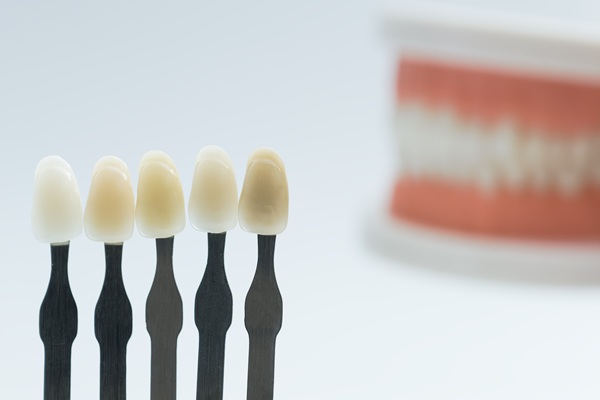
Bonding adds a thin, durable layer where a tooth needs a little help. The general, cosmetic, or family dentist selects a shade that matches nearby enamel, gently prepares the surface for grip, then shapes the composite resin material so light reflects like a natural tooth. They use a curing light to harden the resin in seconds. The final step is to carefully polish it so it blends with the the tooth and smile as a whole.
Note that since dental bonding happens right in the chair, changes to shape, length, and symmetry feel precise and personal without the need for multiple appointments.
For teens and adults seeking an effective yet noninvasive upgrade, bonding can deliver exceptional results. However, this treatment is most effective for small to moderate cosmetic concerns. A tiny chip on a front tooth, a narrow space that catches the eye, or a worn corner that makes the smile look uneven are all ideal targets. Stubborn spots that do not lighten evenly with bleach-based teeth whitening can also disappear under a thin, color-matched bonding layer.
Patients often prefer dental bonding for its efficiency and aesthetic appeal. Other benefits include:
Moreover, a general, cosmetic, or family dentist manipulates dental bonding until it looks completely natural. For instance, natural teeth show subtle details: a hint of translucency at the edges, gentle surface texture, and a shine that changes with lighting. A dentist recreates those cues with bonding. They use layered placement to mimic depth, as well as texturing and polishing to help the material align with neighboring teeth so that the eye sees a unified smile, not a repair.
Healthy gums and a stable bite set the stage for successful dental bonding. Small chips from everyday wear, light edge erosion, and tiny black triangles next to the gums respond especially well to treatment. Patients who clench or grind can still choose bonding, although they should wear a custom night guard to protect the bonded teeth from damage.
There are some cases when another treatment may be a better option. When cracks run deep or corners break repeatedly, a porcelain veneer or crown may restore the tooth more effectively. A general, cosmetic, or family dentist will perform a dental exam to determine which restoration would be best.
Dental bonding can enhance smiles with a wide range of cosmetic imperfections. For a personalized assessment, shade match, and clear plan that fits your schedule and budget, schedule a consultation with Johns Creek Dentistry today. We help patients in Johns Creek improve their smiles in a way that looks and feels natural.
Request an appointment here: https://www.johnscreekteeth.com or call Johns Creek Dentistry at (770) 623-1427 for an appointment in our Johns Creek office.
Check out what others are saying about our dental services on Yelp: Dental Bonding in Johns Creek, GA.
A new dental filling restores tooth structure, and smart aftercare helps it last.
Composite fillings, especially newer ones, are reasonably strong and durable, but they can wear out…
Composite fillings are resin materials made with a plastic and glass mixture. Dentists began to…
Dental patients with chipped or broken teeth have more options for tooth repair than in…
The popularity of tooth-colored fillings keeps increasing among patients with cavities, as well as their…
Fillings are the most common treatment used for cavities. Composite fillings are a type of…